TL;DR
Your brakes work by pushing brake fluid through the system to the calipers, which press the brake pads against the rotors to create friction and stop your vehicle. When something in that chain is off (low or contaminated fluid, a leak, worn pads, a damaged rotor, or a sticking caliper), you may notice squeaking, grinding, vibration, pulling to one side, a soft pedal, a burning smell, or a warning light. Some noises are harmless, like a quick grind after a wet night while surface rust wears off the rotors. Others mean it’s time for an inspection. Brake pads typically last anywhere from about 20,000–30,000 miles for drivers who are hard on their brakes to 50,000–60,000 miles for gentler drivers, and we generally recommend changing brake fluid around every 30,000 miles. At LMT Auto Repair in Columbia, MD, we check your brakes every time you come in for an oil change, and we inspect the whole system (not just the pads) so the repair actually lasts.
***
If you’ve ever heard a squeal when you pull up to a stop sign or felt your brake pedal sink a little farther than usual, you probably had one question: Is this something I need to worry about?
Brakes are the most important safety system on your vehicle. Below, we’re answering the brake repair questions we hear most often from customers, starting with how your brakes actually work. Once you understand that, the warning signs start to make a lot more sense.
One quick note before we dive in: every vehicle is different, and no noise or symptom can tell you exactly what’s wrong on its own. The causes below are common possibilities, not a diagnosis. The only way to know for sure is to have a technician look at your brakes in person.
How Do Car Brakes Work?
When you press the brake pedal, you’re pushing brake fluid through a sealed hydraulic system out to all four wheels. At each wheel, that fluid pushes a piston inside the caliper. The piston presses the brake pads against the rotor (the metal disc that spins with your wheel), and the friction between the pads and the rotor is what slows and stops your car.
When you let off the pedal, the pressure releases, the piston pulls back, and the pads ease off the rotor so the wheel can spin freely again.
That whole process depends on a few things working together:
- Enough clean brake fluid to carry the pressure from your foot to the wheels
- No air or leaks in the lines and hoses
- Pads with enough material left to grip the rotor
- Rotors that are smooth and even so the pads make full contact
- Calipers that apply and release the way they should
If any one of those parts isn’t doing its job, you’ll usually feel it, hear it, or see a light on your dash.
Why Are My Brakes Squeaking or Squealing?
A squeak or squeal when you brake can come from a few different places:
- Surface rust after wet or cold weather. Rotors are bare metal, so after a rainy or chilly night, they can pick up a thin coating of rust. The first few stops of the morning, you may hear some noise while the pads wipe that rust away. If it goes away after a few stops, it’s usually nothing to worry about.
- Worn brake pads. Many brake pads have a small metal wear indicator built in that’s designed to squeal when the pad material gets low. It’s basically your car’s way of saying, “Time to get these checked.”
- Glazed or low-quality pads, or debris caught between the pad and the rotor, can also cause squealing.
If the squeal sticks around after the first few stops, or it’s getting louder over time, bring it in so we can take a look.
What’s That Grinding Noise When I Stop?
Just like squeaking, a little grinding after your car has been sitting overnight in wet or cold weather can simply be the pads rubbing surface rust off the rotors.
But a grinding sound that doesn’t go away is a different story. Persistent grinding can mean your pads are worn down far enough that metal is making contact with metal. That can damage your rotors quickly and turn a simpler brake pad replacement into a bigger repair. If you hear grinding every time you brake, don’t wait on it.
Why Does My Steering Wheel or Brake Pedal Vibrate When I Brake?
A pulsing pedal or a shimmy in your steering wheel (or even your seat) when you brake is often related to the rotors. Over time, rotors can wear unevenly, get grooved, or become warped. When the pads press against a rotor that isn’t smooth and flat, you feel it as a pulse or vibration.
This is also where a shortcut some shops take can come back to bite you. Putting brand-new pads on a damaged rotor can cause the pads to bounce back and forth against the uneven surface. That adds stress on the caliper piston, speeds up wear, and can make the pulsation even worse.
Why Does My Car Pull to One Side When I Brake?
If your car drifts or pulls left or right when you hit the brakes, one side may be braking harder than the other. A few common causes include:
- A sticking or locking caliper
- A caliper piston that isn’t retracting all the way after you release the pedal
- A collapsed brake hose that restricts fluid flow and doesn’t let fluid return the way it should
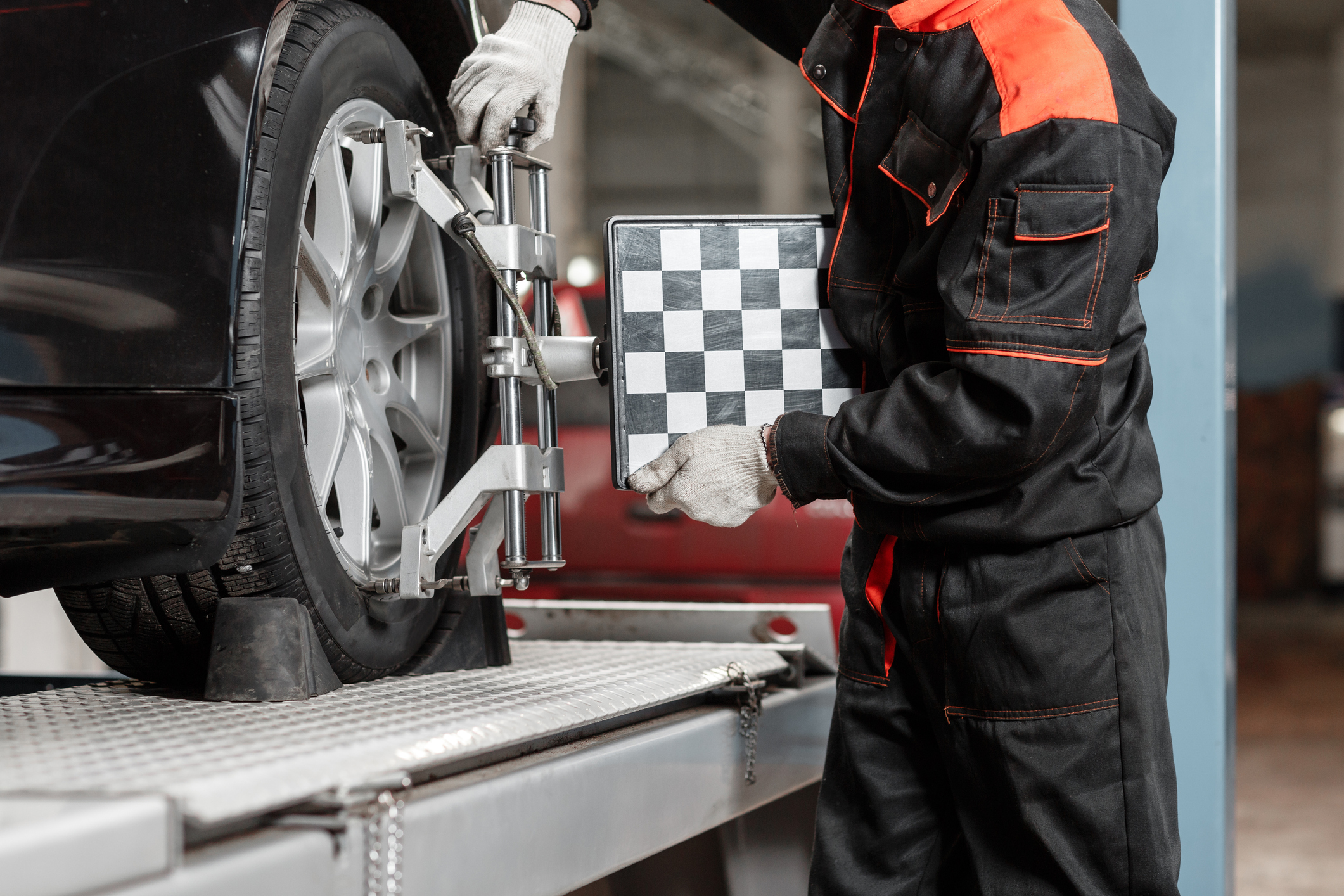
Because pulling can also be related to tires, alignment, or suspension, it’s worth having the whole picture checked. A vehicle that pulls during braking is harder to control, especially in an emergency stop.
Why Does My Brake Pedal Feel Soft, Spongy, or Sink to the Floor?
A firm brake pedal means the hydraulic system is holding pressure the way it should. When the pedal feels soft or mushy, or sinks closer to the floor than normal, the fluid may not be moving through the system properly. Common causes include:
- Low brake fluid
- Air in the brake lines
- A leak somewhere in the system, which lets fluid escape out into the environment
- Contaminated brake fluid that’s breaking down internal parts
A soft or sinking pedal is one of the symptoms we’d encourage you not to drive on. If your pedal suddenly goes to the floor, pull over safely and call for a tow. LMT offers 24-hour emergency towing at (410) 740-8822.
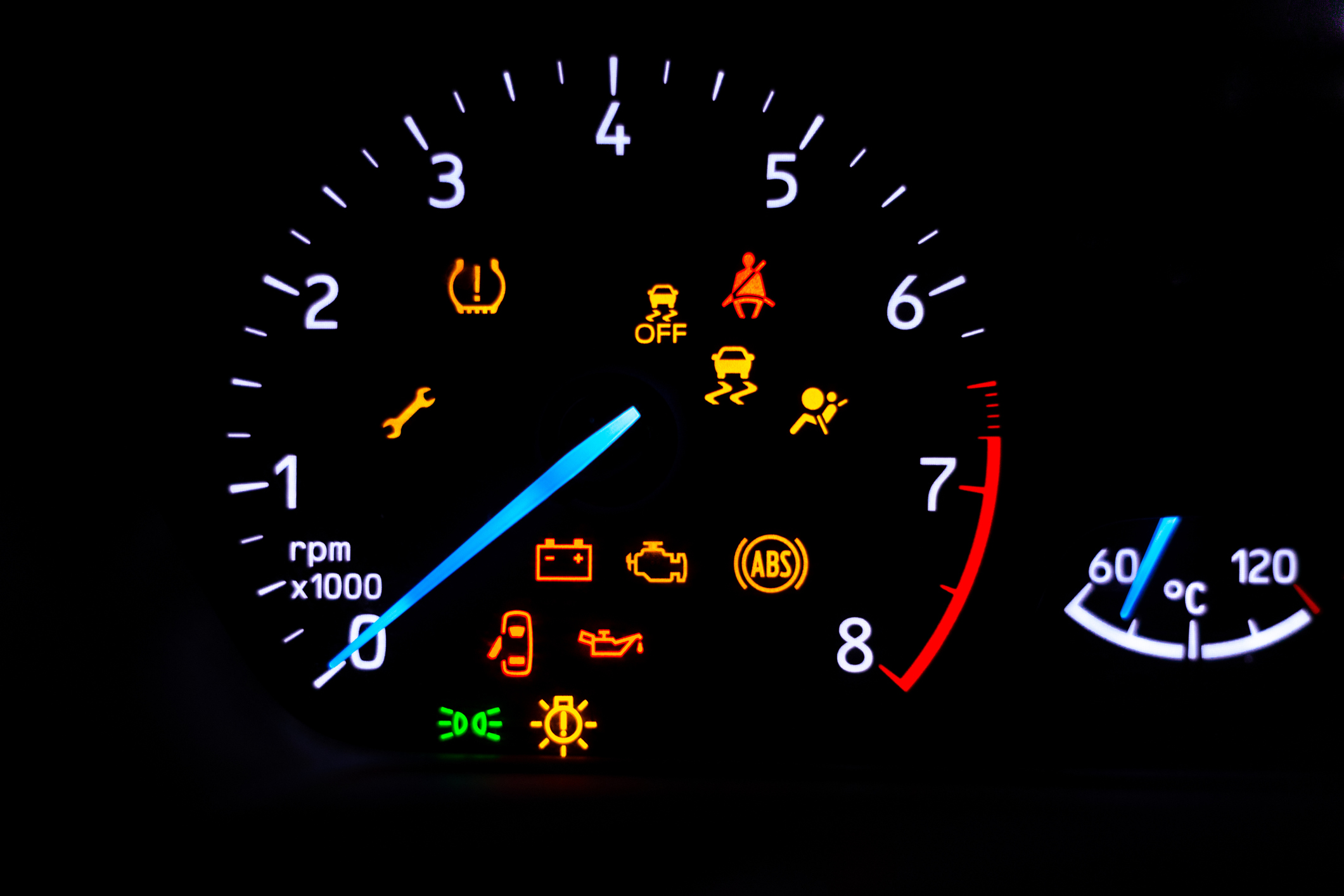
What Does the Brake Warning Light Mean?
The red brake warning light on your dashboard most commonly means one of two things:
- Your parking brake is still engaged. Make sure it’s fully released.
- Your brake fluid is low in the reservoir and needs attention. Low fluid often points to worn pads or a leak, so it’s worth having checked rather than just topping it off.
The ABS light is different. It usually points to a fault in your anti-lock brake system. Sometimes you’ll see several lights come on at once, such as ABS, traction control, and the check engine light. That doesn’t always mean several things are broken. Often, one underlying fault causes your vehicle’s computer to shut down related systems to prevent further issues. A diagnostic scan helps us find where the problem actually starts.
Why Do My Brakes Smell Like They’re Burning?
A burning smell after braking usually means there’s too much heat and friction between the pads and the rotors. One common cause is a caliper that’s stuck with the piston pushed out, so the pad keeps dragging against the rotor even when you’re not braking. That’s essentially two surfaces grinding together constantly, and it builds up heat fast.
You might also notice a light smell after heavy braking, like coming down a long hill, or for a short time after getting brand-new pads. But if you smell burning during normal driving, or you notice one wheel is much hotter than the others, have it inspected as soon as possible.
How Long Do Brake Pads Last?
It depends a lot on how you drive. Drivers who brake hard, sit in stop-and-go traffic, or tow heavy loads can wear through pads in about 20,000–30,000 miles. Drivers who are easier on their brakes can often get 50,000–60,000 miles or more. The type of pad material makes a difference too.
Brake pad thickness is measured in millimeters or 32nds of an inch. Pads are generally considered due for replacement at about 2/32 of an inch.
How Do I Know When I Need New Brakes?
Some of the most common signs are:
- Squeaking or grinding that doesn’t go away after the first few stops
- Vibration in the pedal, steering wheel, or seat when braking
- Pulling to one side when you brake
- A soft, spongy, or sinking pedal
- A brake warning light or ABS light
- A burning smell
- Longer stopping distances than you’re used to
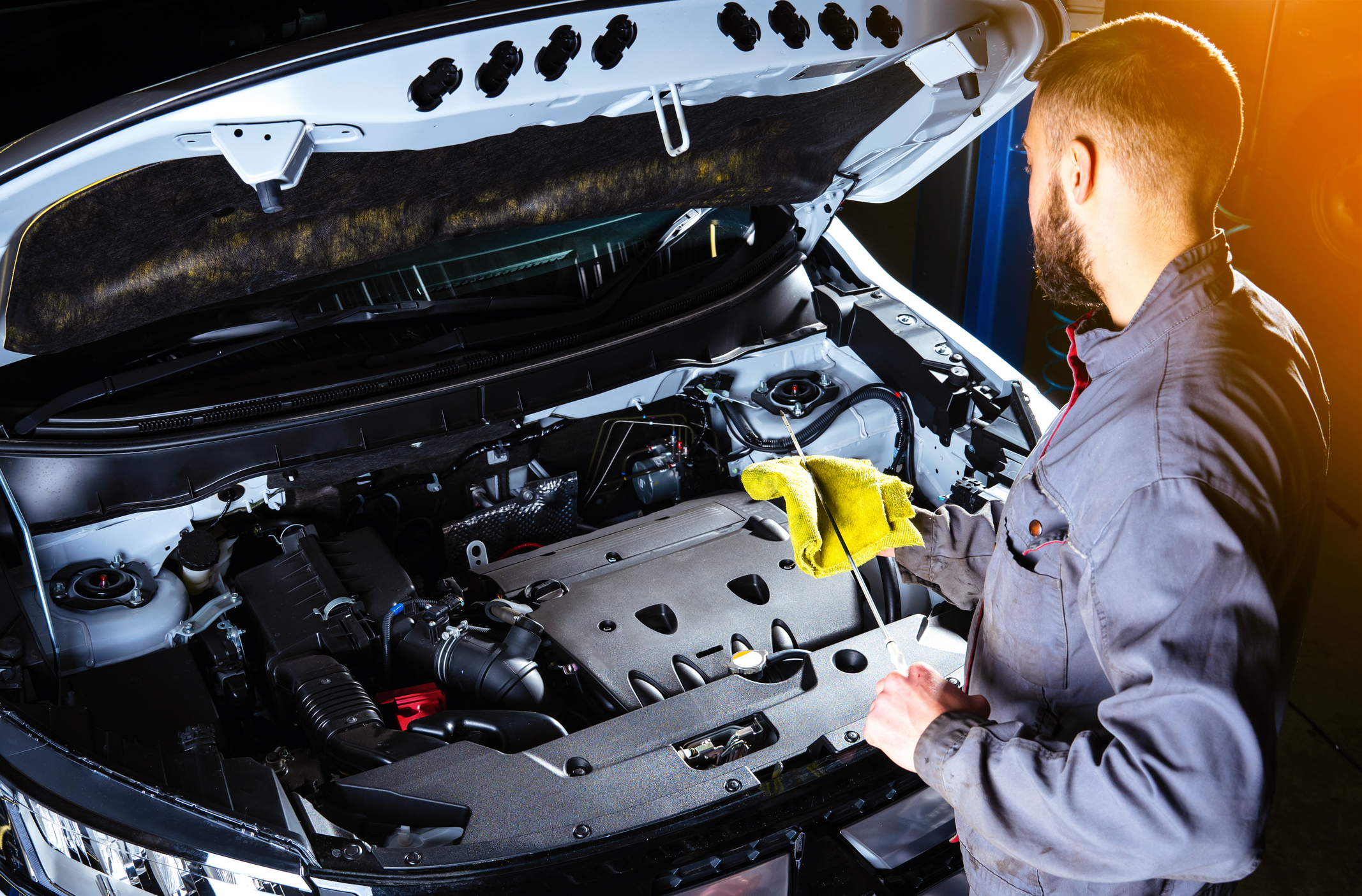
The easiest way to stay ahead of brake problems is regular inspections. At LMT, we check your brakes every time you come in for an oil change, so you’ll know where your pads and rotors stand long before they become an emergency.
How Often Should Brake Fluid Be Changed?
Recommended intervals vary by manufacturer, and many newer vehicles call for longer intervals than they used to. As a general rule, we still recommend changing your brake fluid around every 30,000 miles, especially on older vehicles.
Here’s why it matters: brake fluid gets contaminated over time. Contaminated fluid can break down the internal parts of your brake system, including the inner material of your brake hoses. That can restrict fluid flow, cause a caliper to lock up, or leave you with a soft pedal. A fluid exchange costs far less than replacing the parts it protects. Learn more about our fluid exchange services.
Do I Need to Replace Rotors Every Time I Replace Pads?
Not always. If your rotors are smooth, aren’t causing any pulsation, and are still within their usable thickness, you may only need new pads.
That said, replacing pads and rotors together gives you a fresh, matched braking surface. And if a rotor is worn, grooved, or warped, it really should be addressed. A rotor that’s been worn too thin can develop a raised lip on the outer edge, and new pads won’t sit flat against it. We’ll measure your rotors and tell you honestly whether they need to be replaced.
Where Is the Best Place to Get Brake Repair?
Look for a shop that inspects your entire braking system, not one that just slaps on new pads and sends you on your way.
A lot of places only replace the pads, even when the rotors are worn or damaged. That might save a little money up front, but new pads on a bad rotor can cause pulsation, uneven wear, and extra stress on your calipers. You end up back in the shop sooner, often for a bigger repair.
At LMT Auto Repair, our brake service includes:
- Brake pad and rotor replacement
- Caliper inspection and repair
- Brake fluid evaluation
- Hydraulic system testing
- A road test to verify performance
Our ASE-certified technicians have been serving drivers in Columbia and Central Maryland since 1993. We give honest recommendations, and we’ll show you what we find. Learn more about our brake repair services.
Get Your Brakes Checked Before Cold Weather Hits
Maryland winters are tough on vehicles, and cold, wet roads are exactly when you need your brakes at their best. Before temperatures drop, we recommend checking three things:
- Brakes: Make sure your pads, rotors, and fluid are in good shape before slick roads arrive.
- Tires: Low tread doesn’t grip the road properly, which means longer stopping distances even with great brakes. Need new tires? See our tires and alignment services.
- Wiper blades: If your wipers smear the windshield instead of clearing it, replace them before winter weather makes it hard to see.
Don’t Wait Until It’s Too Late to Stop
If your brakes are squeaking, grinding, pulling, or just don’t feel right, give us a call at (410) 730-3839 or schedule your brake service online. We’ll inspect your whole braking system and give you an honest recommendation.
***
Brake Repair FAQs
Can I drive with squeaky brakes?
If the squeak goes away after a few stops on a wet or cold morning, it’s usually just surface rust. If it continues or gets louder, your pads may be getting low. Schedule an inspection soon so a squeak doesn’t become a grind.
Is it safe to drive with grinding brakes?
Persistent grinding can mean metal-on-metal contact, which can damage your rotors and reduce your stopping power. We recommend getting it checked as soon as possible.
Is it safe to drive with a soft or spongy brake pedal?
We don’t recommend it. A soft pedal can mean low fluid, air in the lines, or a leak, all of which affect how well your car stops. If your pedal sinks to the floor, pull over and call for a tow. LMT’s 24-hour emergency towing line is (410) 740-8822.
Why do my brakes make noise in the morning and then stop?
Rotors are bare metal and can develop a thin layer of surface rust overnight, especially when it’s wet or cold. The pads wipe it off during your first few stops, which can cause a brief grinding or squeaking sound.
What’s the difference between the brake light and the ABS light?
The red brake light usually means the parking brake is engaged or your brake fluid is low. The ABS light points to a fault in your anti-lock braking system. If both come on together, have your vehicle checked right away.
How long do brakes last?
Brake pads typically last anywhere from about 20,000–30,000 miles for drivers who are hard on their brakes to 50,000–60,000 miles for gentler drivers. Rotors often last longer but should be measured at each brake service.
How often should I get my brakes inspected?
Having your brakes checked at every oil change is an easy way to stay ahead of problems. At LMT, we do this automatically.
What happens if I never change my brake fluid?
Brake fluid becomes contaminated over time. Old fluid can break down the internal parts of your brake system, restrict fluid flow, cause calipers to stick, or lead to a soft pedal.
Do I need to replace rotors every time I get new brake pads?
Not always. If your rotors are smooth, aren’t causing pulsation, and are still within usable limits, new pads may be all you need. Worn, grooved, or warped rotors should be replaced.
How much does brake repair cost?
It depends on your vehicle and what the inspection finds. A pad replacement costs less than a repair that also needs rotors, calipers, or hoses, which is one more reason catching problems early saves money.
How long does a brake job take?
Bring your car in and we will let you know once we check out your brakes and what needs to be done.
Do you offer brake repair near Columbia, MD?
Yes. LMT Auto Repair is located at 6440 A Dobbin Center Way in Columbia, MD, in the Dobbin Auto Service Park. We’re open Monday through Friday, 7:30 a.m. to 5:00 p.m.